HANITAS CRANK
ハニタスクランク
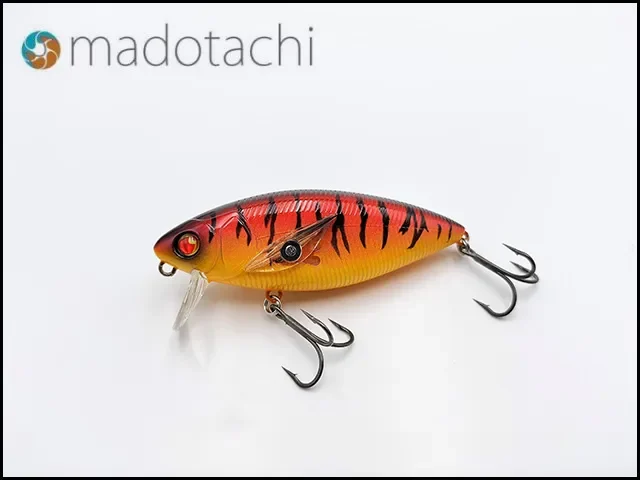
An 80 mm floating crankbait from Japanese brand MADOTACHI, featuring the adjustable Qwing fin system. Anglers can change its swimming behavior from a surface-waking presentation to stable cranking or an intentionally erratic action by adjusting the fin angles.
What is the HANITAS CRANK?
HANITAS CRANK is an 80 mm, 16 g floating crankbait developed by Japanese lure manufacturer MADOTACHI.
Its defining feature is the patented Qwing system, which uses adjustable fins to modify the lure's swimming behavior.
Depending on the fin settings, HANITAS CRANK can be used as a wakebait near the surface, a conventional crankbait with stable swimming action, or an intentionally unstable crankbait that occasionally darts or wanders off course.
The manufacturer lists a working depth range of approximately 0–1.5 m.
Unlike conventional crankbaits with fixed diving lips and swimming characteristics, HANITAS CRANK allows anglers to alter its behavior by adjusting the fins rather than changing to a different lure.
Why it's popular in Japan
HANITAS CRANK represents MADOTACHI's distinctive approach to Japanese lure engineering: allowing anglers to change how a lure behaves through mechanical adjustment.
Rather than offering a single fixed swimming action, it combines several presentations within one compact crankbait.
The adjustable Qwing fins make it possible to switch between surface-oriented waking, stable underwater swimming, and erratic reaction-oriented movement.
This flexibility is particularly interesting for anglers who want to experiment with different presentations without constantly changing lures.
HANITAS CRANK also demonstrates how MADOTACHI has applied its adjustable-fin concept to a relatively straightforward crankbait design.
How Japanese anglers fish it
A steady retrieve is the basic starting point for fishing HANITAS CRANK.
Before casting, anglers can adjust the Qwing fins to change the lure's swimming characteristics.
For a surface-oriented presentation, the lure can be configured to work as a wakebait, creating movement near the water's surface.
For conventional cranking, the fins can be adjusted to produce a more stable swimming action through the water column.
Anglers can also select a less stable setting to create an erratic, wandering action known in Japan as "chidori." This irregular movement can provide a reaction-triggering element during the retrieve.
The lure is designed to cover depths from the surface down to approximately 1.5 m, depending on its configuration and retrieve.
Recommended situations
- Shallow-water cranking
- Wakebait presentations
- Steady retrieves
- Reaction-oriented fishing
- Erratic or wandering crankbait action
- Experimenting with adjustable fin settings
- Shallow flats and shoreline areas
- Situations requiring different swimming actions without changing lures
How it differs from US-market lures
Most conventional crankbaits have fixed diving lips and predetermined swimming characteristics. Anglers typically change lures when they want a different running depth or action.
HANITAS CRANK takes a different approach by incorporating MADOTACHI's adjustable Qwing fin system.
The fins allow anglers to modify the lure's swimming behavior, switching between surface waking, stable cranking, and deliberately erratic action.
This mechanical adjustability makes HANITAS CRANK an unusual alternative to traditional fixed-action crankbaits.
For US anglers interested in Japanese lure design, it offers an example of how a familiar crankbait concept can be reimagined through adjustable components and experimental engineering.
Video
Related lures

SOFT HANITAS 4
ソフトハニタス4
A 4-inch soft-bodied lure from Japanese brand MADOTACHI, featuring adjustable Qwing fins and an interchangeable internal IN system. Its flexible elastomer body and customizable components allow anglers to modify the lure's swimming characteristics for different conditions.
T.D. HYPER CRANK
T.D.ハイパークランク
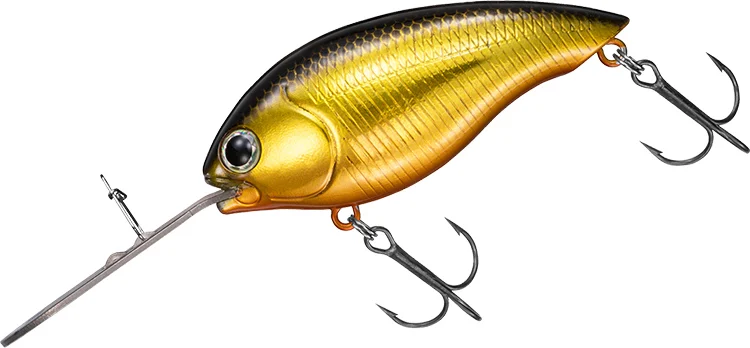
A distinctive Japanese crankbait featuring an ultra-thin titanium lip and an exceptionally wide swimming action even at dead-slow retrieve speeds. Available in three diving-depth variants, the DAIWA T.D. HYPER CRANK is designed for slow mid-water retrieves and fishing around cover.
iPX-12
iPX-12
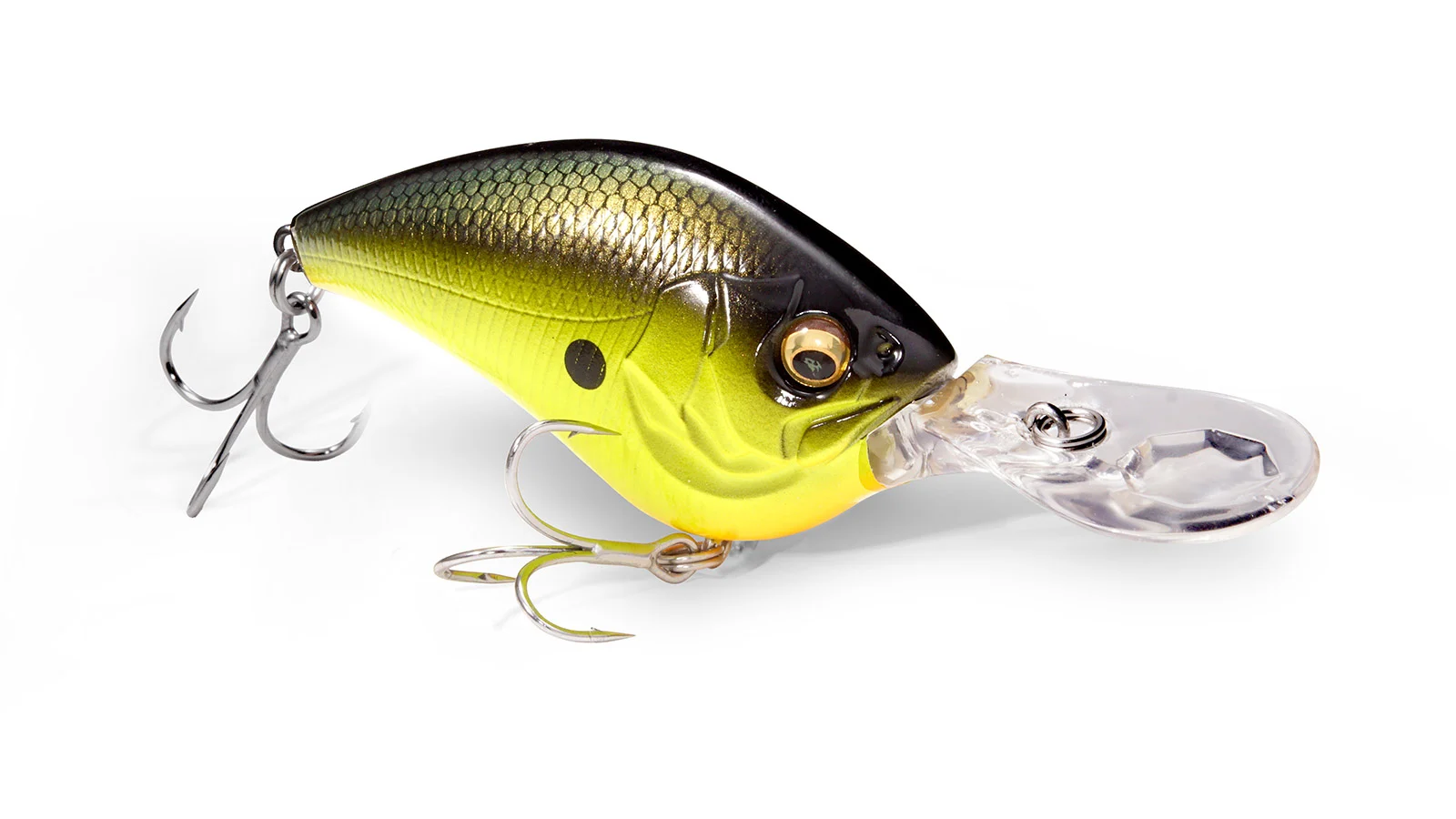
A compact deep-diving crankbait developed by Megabass with input from Japanese lure designer Yuki Ito and American tournament angler Brandon Palaniuk. The iPX-12 targets the 12-foot depth range with long casting performance, a steep diving angle, and a powerful high-pitch wobble.