SHINDY 110SP-M
シンディ 110SP-M
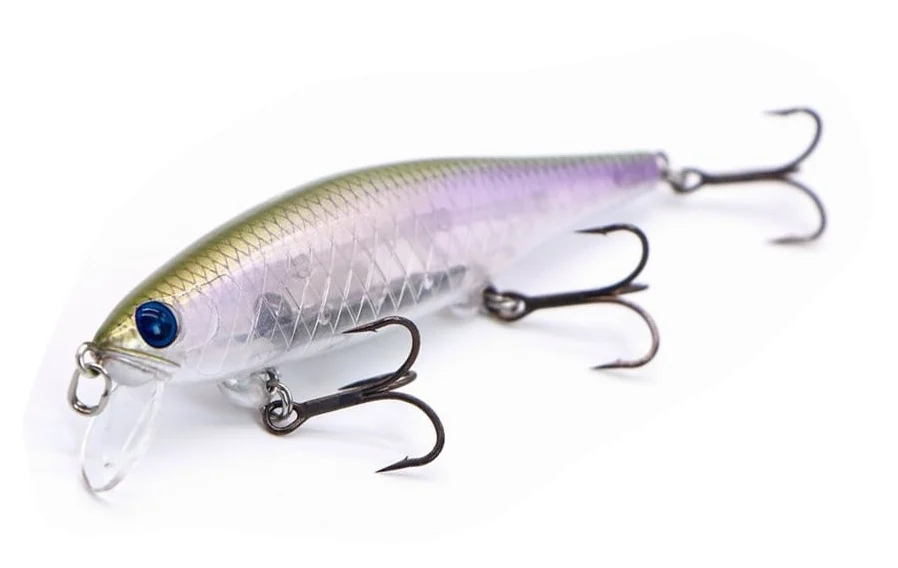
A 110 mm suspending jerkbait from REVONIK, developed by legendary Japanese lure designer Seiji Kato. The SHINDY 110SP-M combines a smooth, controlled darting action with the ability to pause in the strike zone, making it especially effective when bass are following but reluctant to commit.
What is the SHINDY 110SP-M?
The REVONIK SHINDY 110SP-M is a 110 mm, 16 g suspending minnow designed for bass fishing. It is the suspending version of the SHINDY 110SF-M and is built to work down to approximately 1.5 meters.
The lure has a relatively tall, slightly flat-sided body, with its internal structure designed to minimize unnecessary material and maximize internal air volume. The result is a lightweight, responsive feel despite its 110 mm profile.
Most importantly, the SHINDY does not feel like a jerkbait designed simply to make the widest or most aggressive possible dart. When jerked, its movement is smooth and controlled, allowing the angler to work the lure naturally without sending it excessively far to either side. After the action, the SP-M can be stopped in the water column to create a clear opportunity for a following bass to strike.
Why it's popular in Japan
The SHINDY 110SP-M comes from REVONIK, the brand associated with veteran Japanese lure designer Seiji Kato. For Japanese bass anglers, that name carries particular significance because of his long history of designing influential bass lures.
The SHINDY also fits a style of jerkbait fishing that works particularly well on pressured Japanese waters: precise rod input, controlled movement, and carefully timed pauses rather than relying only on aggressive, wide-ranging action.
Its suspending design is especially useful from late fall through early spring, when bass activity slows and keeping a minnow in the strike zone for longer can become important. Japanese retailers specifically position the SP-M as a suspending minnow suited to these colder-water periods.
How Japanese anglers fish it
A good starting point is a short jerk-jerk-pause cadence, but the SHINDY 110SP-M does not need extremely hard rod input to come alive.
Rather than trying to force the lure into huge side-to-side darts, use controlled jerks and let its smooth movement do the work. The relatively restrained travel makes it possible to keep the lure working around a productive area instead of quickly moving it away from a following fish.
In colder water, increase the length of the pause and take advantage of the suspending setup. When fish are more active, shorten the pauses and use consecutive jerks or twitches to cover water.
It can also be fished with a steady retrieve or stop-and-go presentation when bass are responding better to a swimming minnow than an aggressively worked jerkbait.
Recommended situations
- Clear to lightly stained water
- Cold water from late fall through early spring
- Suspended bass
- Bass following baitfish in open water
- Around points, drop-offs and submerged structure
- When bass follow aggressive jerkbaits without committing
- Situations where you want to keep a jerkbait in a relatively tight strike zone
- Shore fishing where controlled lure movement helps keep the bait in productive water
How it differs from US-market lures
Many jerkbaits familiar to US anglers emphasize aggressive side-to-side darting and erratic movement. The SHINDY 110SP-M can be worked sharply, but its appeal is not simply how far it can jump to either side.
Its action feels smoother and more controlled. With moderate rod input, the lure moves naturally without making an excessively wide dart, making it easier to keep the bait around a specific target or in front of a hesitant fish.
That gives the SHINDY a distinctly Japanese character: rather than maximizing movement, it gives the angler precise control over how much the lure moves and how long it remains in the strike zone.
For anglers accustomed to 110 mm-class jerkbaits, the difference is subtle on paper but much more noticeable once the lure is worked with the rod.
Related lures
SHINDY 110SF-M
シンディ 110SF-M
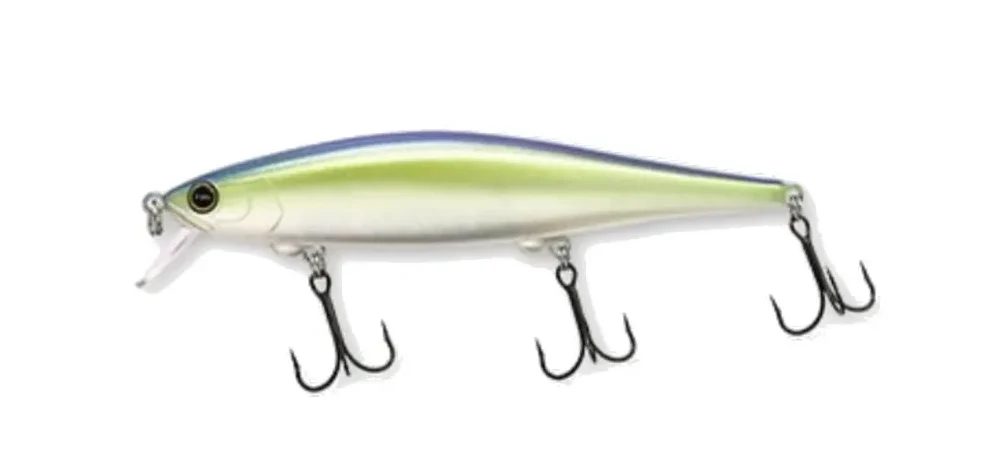
A 110 mm slow-floating jerkbait from REVONIK designed for exceptionally responsive rod-work. The SHINDY 110SF-M combines a thin, high-sided body, low center of gravity, and finely shaped willow-leaf lip to produce sharp yet controllable darting action from even small angler inputs.

SaraMoa PORO
サラモア ポロ
A compact 50 mm floating shad crankbait from REVONIK designed for easy searching with light tackle. The SaraMoa PORO produces a clearly felt wobble-and-roll action despite its small body, combining a compact profile with surprisingly strong presence in the water.

SOFT HANITAS 4
ソフトハニタス4
A 4-inch soft-bodied lure from Japanese brand MADOTACHI, featuring adjustable Qwing fins and an interchangeable internal IN system. Its flexible elastomer body and customizable components allow anglers to modify the lure's swimming characteristics for different conditions.