SAKAMATA SHAD
サカマタシャッド
A signature soft-plastic baitfish lure from deps known for its explosive darting action. The SAKAMATA SHAD uses side-mounted keels and a low-resistance body to create wide, unpredictable jumps and slides, making it especially effective for weightless jerking and mid-strolling.
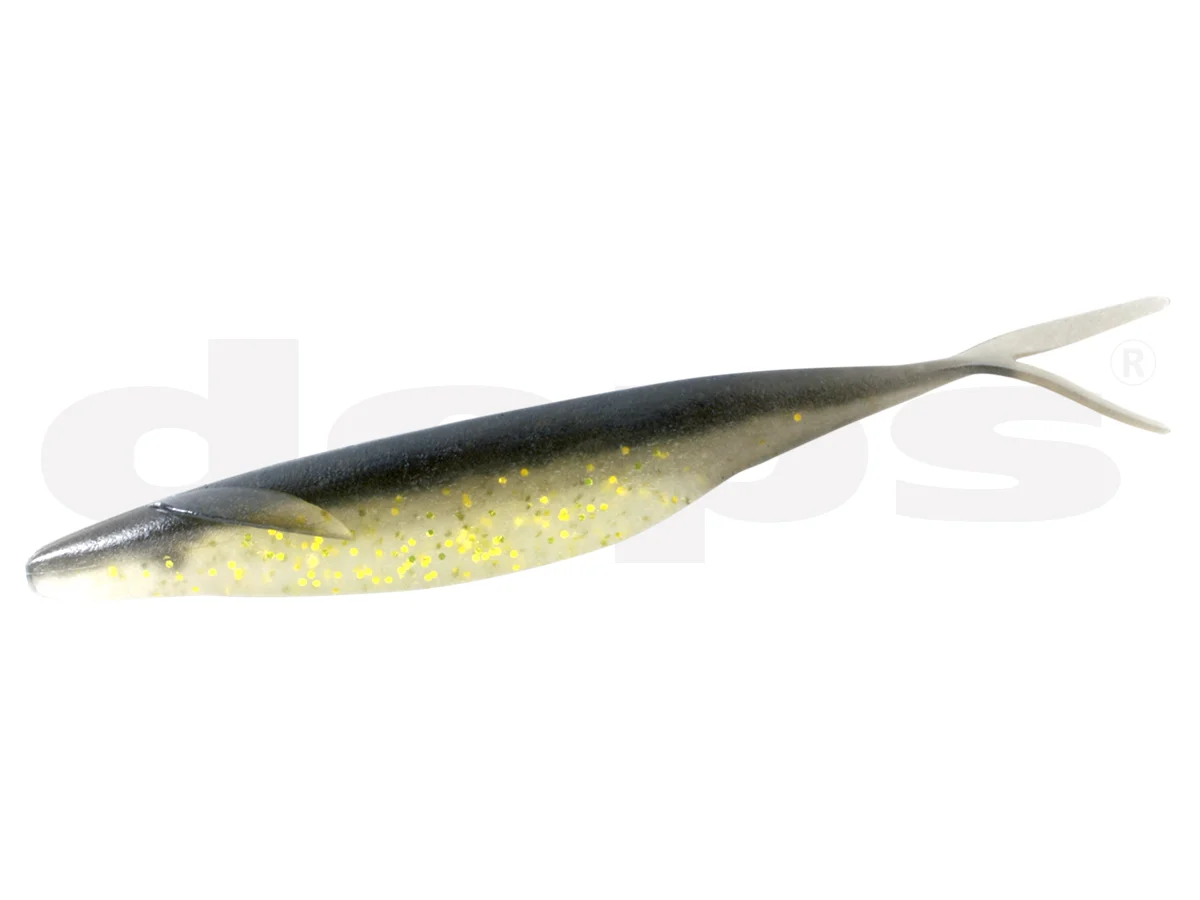
What is the SAKAMATA SHAD?
The SAKAMATA SHAD is a soft-plastic baitfish lure from deps designed around a distinctive jumping and darting action.
Its streamlined body has very little surface resistance, allowing it to accelerate and slide widely when worked with the rod. The defining feature is a pair of keels positioned along the sides of the body.
As water flows across these keels, they direct water downward and help force the lure upward during a jerk. The keels also act like rudders, helping stabilize the lure as it darts.
A forked tail follows the movement of the body with a subtle baitfish-like motion rather than generating the strong repetitive kick of a conventional paddle-tail swimbait.
The result is a soft bait that can imitate a baitfish suddenly escaping from a predator rather than simply swimming steadily through the water.
The current SAKAMATA SHAD lineup ranges from tiny 2-inch non-salt models to the massive 8-inch version, while larger sizes are also available in high-density Heavy Weight materials.
Why it's popular in Japan
The SAKAMATA SHAD has become an important bait in modern Japanese bass fishing because it can be used to create highly reactive baitfish movements while still retaining the natural appearance of a soft plastic.
One of its signature applications is weightless jerking. Sharp rod movements make the lure jump, dart and slide unpredictably, imitating forage such as ayu or hasu escaping near the surface.
The same basic body design has also proven effective at very different depths. Heavy Weight versions increase the density of the material, making it easier to control the SAKAMATA SHAD through midwater and near the bottom without relying on inconsistent external weight modifications.
The wide range of sizes and materials has expanded the concept from large baitfish presentations to modern finesse applications.
This versatility has allowed the SAKAMATA SHAD to become more than a single technique-specific lure. It can be adapted to surface-oriented weightless fishing, mid-strolling, bottom presentations and several weighted rigs while retaining its characteristic darting action.
How Japanese anglers fish it
One of the most recognizable ways to fish the SAKAMATA SHAD is weightless with an offset hook.
Sharp rod movements make the lure jump and dart unpredictably near the surface, imitating baitfish attempting to escape from a pursuing bass. Allowing slack between movements gives the lure room to slide rather than simply pulling it forward.
deps notes that slightly bending the body when setting the hook can increase the effect of the side keels and create an even sharper and more irregular dart.
The lure can also be fished through the middle of the water column with a mid-strolling presentation. Subtle rod movement and controlled line tension allow the bait to maintain a natural baitfish presence while moving through the depth occupied by suspended bass.
Heavy Weight versions of the larger sizes make deeper presentations easier by increasing the lure's density while maintaining a low center of gravity.
The SAKAMATA SHAD can also be used with split-shot and Carolina rigs near the bottom, where sudden upward darts can imitate a baitfish that has noticed a predator and is attempting to escape.
Recommended situations
- Weightless jerkbait fishing
- Mid-strolling
- Suspended bass
- Bass feeding on baitfish
- Open water
- Clear to lightly stained water
- Surface-feeding bass
- Ayu and hasu patterns
- Reaction bites
- High-speed darting presentations
- Midwater presentations
- Carolina and split-shot rigs
- When a paddle-tail swimbait produces too repetitive an action
How it differs from US-market lures
The SAKAMATA SHAD approaches the soft-plastic baitfish category differently from a conventional paddle-tail swimbait or steadily retrieved soft jerkbait.
Its action is built around sudden changes in direction. The streamlined body reduces water resistance, while the side-mounted keels manipulate water flow to help the lure jump upward and dart widely when the angler works the rod.
This means the lure does not need a paddle tail to create attraction. Instead, much of its appeal comes from acceleration, sliding movement, irregular direction changes and the subtle movement of its forked tail.
Its Heavy Weight versions add another distinctly technique-oriented element. Rather than simply adding an external sinker, deps changes the density and center of gravity of the soft-plastic material itself to make midwater and deeper presentations easier to control.
For US anglers, the SAKAMATA SHAD is a good example of how Japanese lure designers can take the familiar soft jerkbait concept and refine the relationship between body shape, material density, rigging and angler input.
Video
Related lures
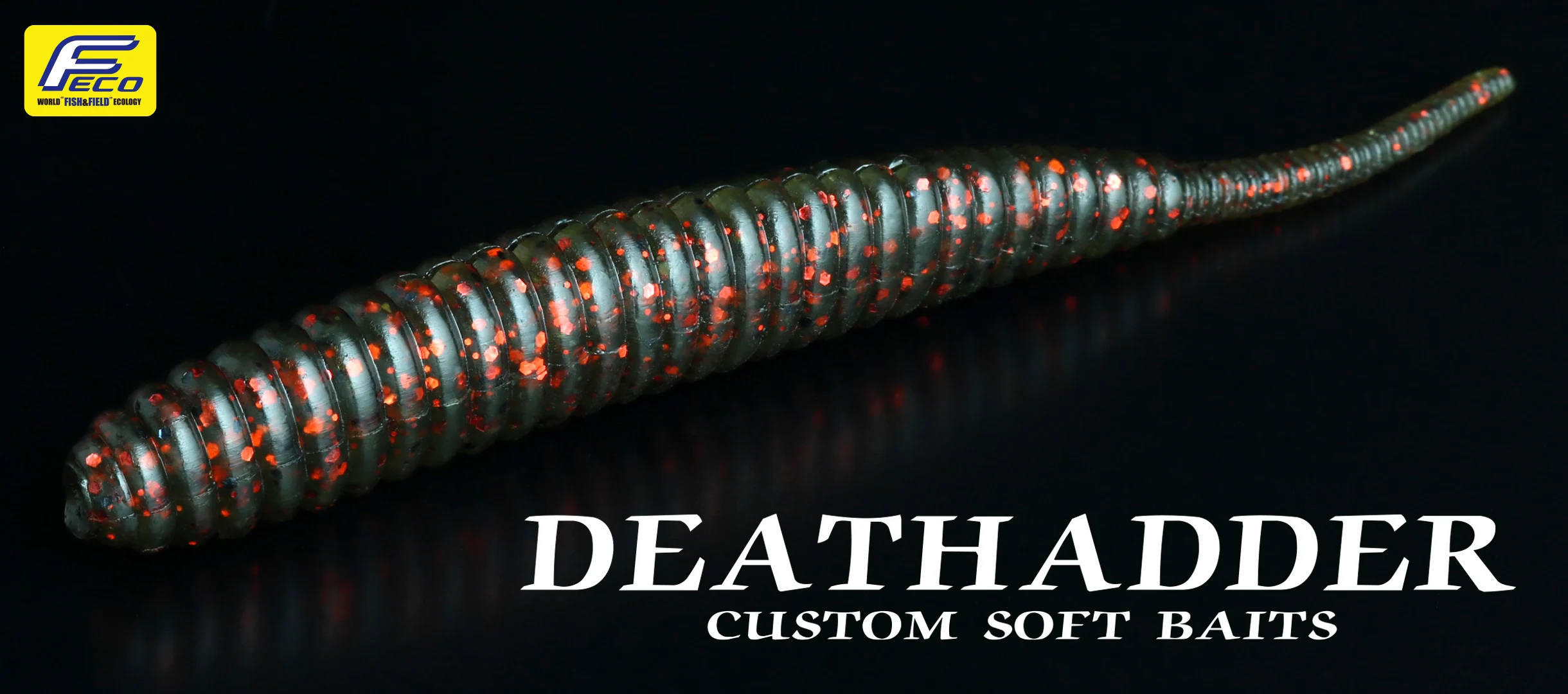
DEATHADDER
デスアダー
A long-running Japanese soft plastic from deps, first released in 2001. The DEATHADDER combines a wide baitfish-shaped body with a sharply tapered pin tail, producing subtle vibration and natural movement across an unusually wide range of rigs.
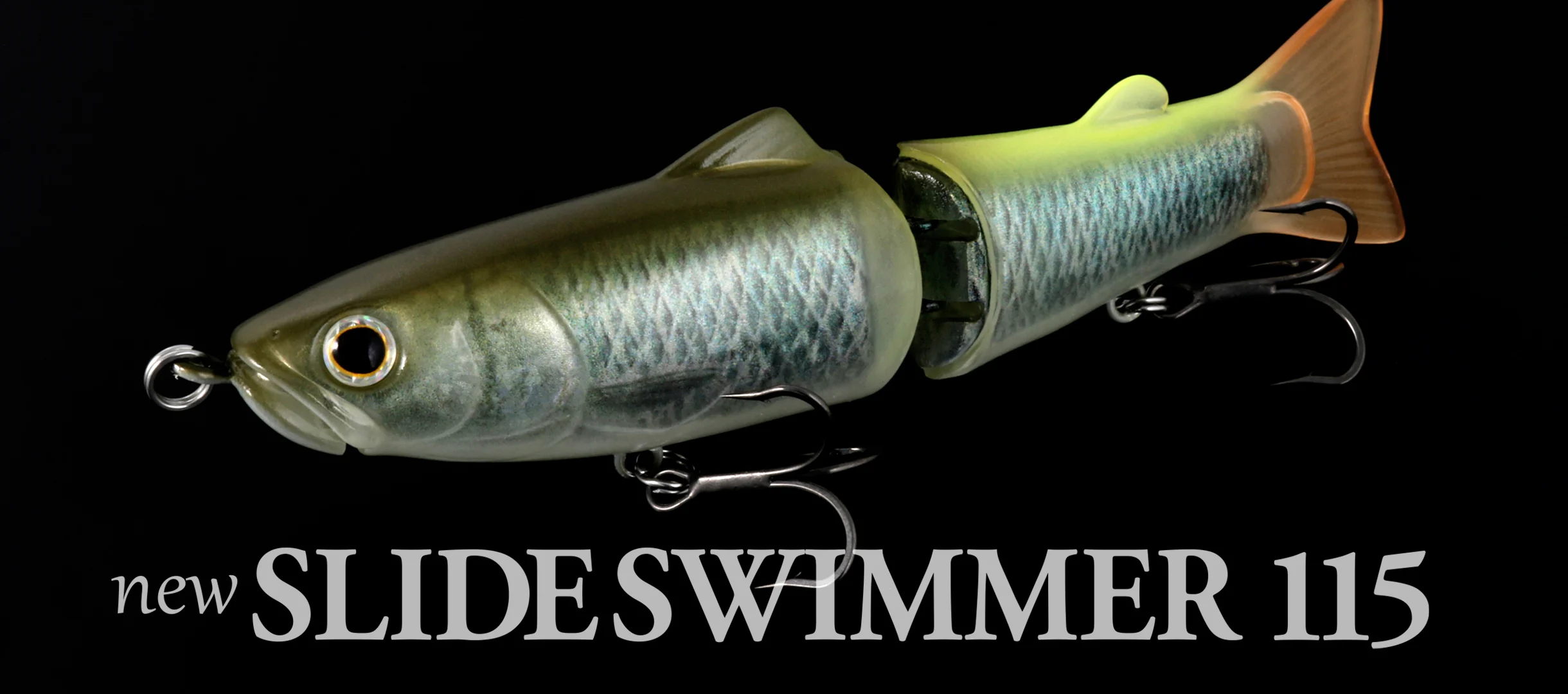
Slide Swimmer 115
スライドスイマー 115
The compact member of the deps Slide Swimmer glide-bait family: about 115 mm and 3/4 oz, single-jointed, with a wide S-glide and an internal knocker.

SOFT HANITAS 4
ソフトハニタス4
A 4-inch soft-bodied lure from Japanese brand MADOTACHI, featuring adjustable Qwing fins and an interchangeable internal IN system. Its flexible elastomer body and customizable components allow anglers to modify the lure's swimming characteristics for different conditions.